
Clean Water. Common Ground.
Finding smart solutions to keep our waterways clean, our economy strong, and our supply chains resilient.

Real Solutions
Our focus is on approaches that deliver visible, measurable reductions in litter. We prioritize solutions that work in practice—not just in theory.
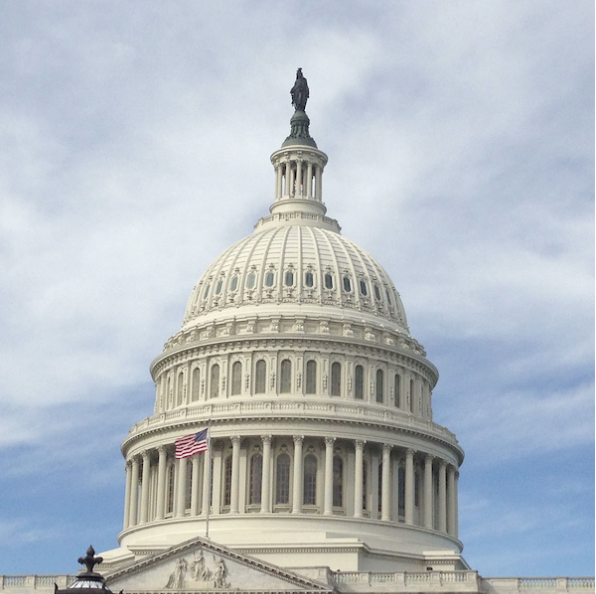
Smart Policy
We work with legislators and regulators to promote practical policies that reduce litter, increase recycling, and protect U.S. waterways—without heavy-handed mandates or red tape.
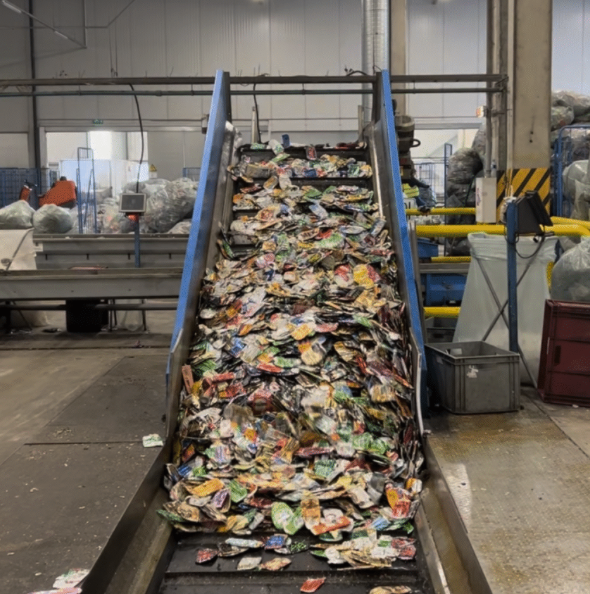
Stakeholder Collaboration
We bring together industry leaders, policymakers, and nonprofit partners to advance solutions that work across the system by aligning environmental goals with operational and economic realities.

A Practical Approach to Cleaner Water
Clean water doesn’t happen by accident—it requires systems that work. Americans for Clean Water brings together industry leaders, policymakers, and nonprofit partners to advance solutions that reduce litter, improve material recovery, and strengthen the economic foundations that make those outcomes sustainable.
At the core of our approach is a simple principle: lasting environmental progress depends on aligning incentives with outcomes. When systems are designed to reward recovery, reduce waste, and make participation easy, better results follow—not just in theory, but in practice. We focus on policies and frameworks that recognize how people behave, how markets function, and how supply chains operate in the real world.
That means prioritizing approaches that are financially sustainable, operationally realistic, and capable of delivering consistent performance over time. We work to ensure that solutions are not only environmentally meaningful, but also economically sound—so they can endure beyond political cycles and scale across regions.
We also place a strong emphasis on measurable outcomes. Cleaner waterways, higher recovery rates, reduced litter, and stronger domestic supply chains are not abstract goals—they are benchmarks that guide our work and define success. By focusing on performance, we help move the conversation beyond intention and toward results.
Where Environment Meets Economics
Waterborne litter is more than an environmental challenge—it’s a systems failure. When valuable materials end up in rivers and coastlines instead of being recovered and reused, communities lose both environmental quality and economic opportunity. Materials that should be part of a productive supply chain instead become waste, imposing costs on local governments, businesses, and taxpayers alike.
Addressing that failure requires more than cleanup—it requires better systems. We focus on advancing approaches that improve how materials are collected, recovered, and reintegrated into the economy. That includes strengthening domestic recycling capacity, improving the efficiency of collection systems, and supporting policies that align financial incentives with higher recovery rates and lower litter.
Our work is grounded in the understanding that behavior follows structure. When systems are designed to reward recovery and make participation straightforward, individuals and businesses respond accordingly. The result is not only cleaner waterways, but more reliable material streams, reduced dependence on foreign inputs, and stronger local and regional economies.
Latest
-

Stories of Stewardship: West Virginia’s Fayette County Shows Conservation Starts with Community
Read more: Stories of Stewardship: West Virginia’s Fayette County Shows Conservation Starts with CommunityEvery remarkable natural place has a gateway. Before visitors stand at the edge of the New River Gorge, paddle across a quiet mountain lake, or explore the historic coal mining ruins at Nuttallburg, they travel through the communities…
-

Stories of Stewardship: Conservation Begins with Someone Willing to Get Their Feet Wet
Read more: Stories of Stewardship: Conservation Begins with Someone Willing to Get Their Feet WetSometimes the most powerful conservation efforts don’t begin with legislation, government programs, or national campaigns. They begin with a handful of people who look at a problem and decide that someone ought to do something—and then realize that…
-
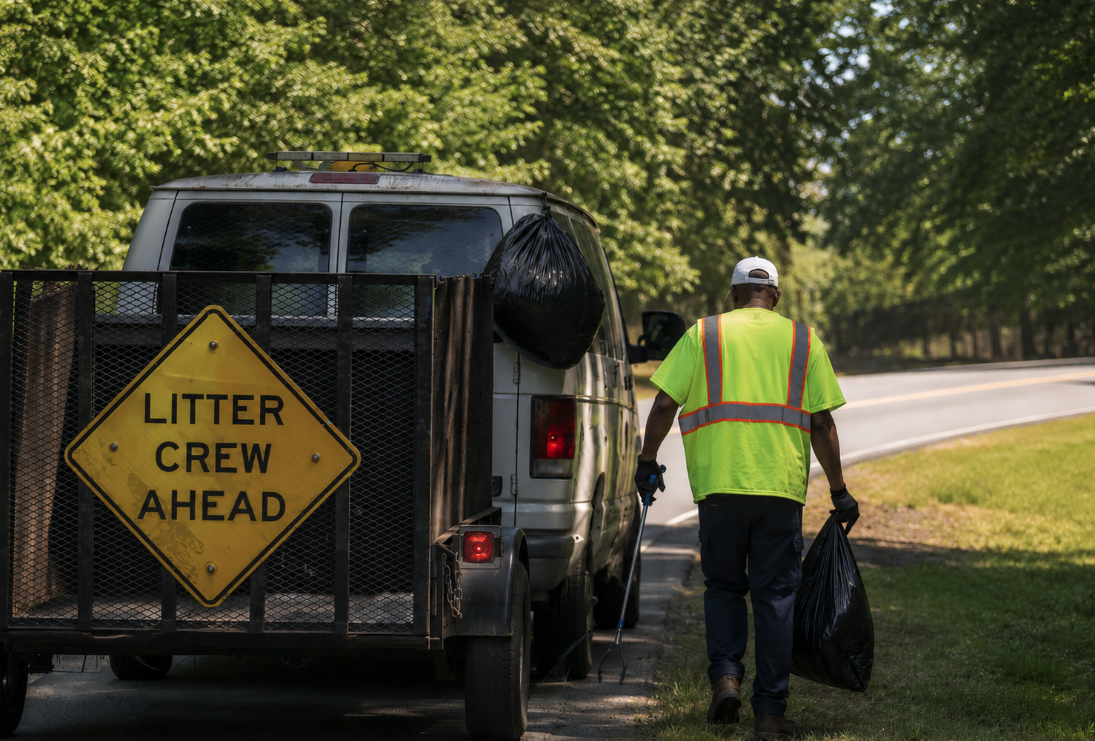
The People Who Pick Up After Us
Read more: The People Who Pick Up After UsIn eleven months, Fayette County workers removed 32 tons of roadside trash. Their work deserves our gratitude—and a future that asks less of them.